Scientists Say They May Have Found an Environmental Trigger for Autism: Here’s What the Research Actually Shows
Published by RawNews1st
7:18 p.m. (May 24, 2026)
A wave of new autism research is making headlines after scientists revealed possible links between environmental exposures, brain chemistry, and autism spectrum disorder (ASD). But researchers are also warning people not to jump to conclusions — because the science is still evolving.
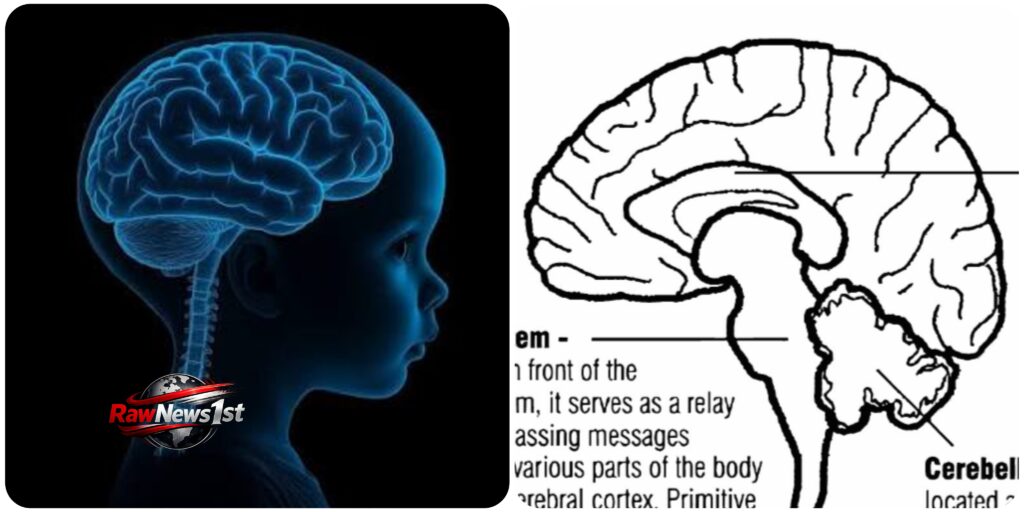
One of the biggest recent studies, published in Molecular Psychiatry, found that a molecule called nitric oxide may trigger a chain reaction inside brain cells linked to autism-related changes. Scientists from the Hebrew University of Jerusalem discovered that high nitric oxide activity could disrupt a protective brain protein known as TSC2, causing the mTOR pathway — a system tied to cell growth and brain signaling — to become overactive.
Researchers say this does not prove a single “cause” of autism. Instead, it may reveal one biological pathway involved in some autism cases.
Another major 2026 study connected prenatal air pollution exposure with changes in newborn metabolism associated with higher autism risk later in childhood. Scientists examined how environmental pollutants during pregnancy could influence early brain development.
Experts stress several key facts:
- Autism is highly complex and likely has multiple causes.
- No single environmental trigger has been definitively proven.
- Vaccines have repeatedly been shown not to cause autism.
- The Washington Post +1
- Most current studies show correlations or possible mechanisms — not direct proof.
Some scientists are now exploring what they call a “three-hit” model: genetic vulnerability, environmental exposure, and prolonged biological stress occurring during critical stages of development.
The newest findings are important because they could eventually help researchers develop earlier screening tools, targeted therapies, or better understanding of how autism develops. But scientists say much more research is needed before declaring any confirmed environmental “cause.”
For now, the evidence points to autism being shaped by a complex interaction between genetics and environmental influences — not one single trigger.