For the first time ever, a marine virus jumped to humans
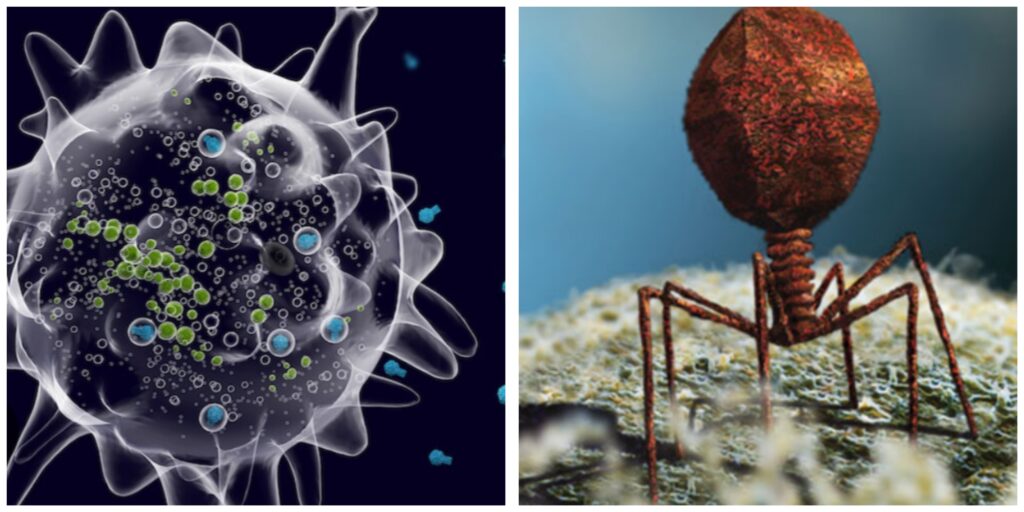
A virus that ordinarily affects marine animals has caused glaucoma-like symptoms and even irreversible vision loss in a small but growing group of people in China. This is the first known time that a virus that originates from aquatic animals has infected people and caused ill health. The cases are thought to have developed after eating raw seafood and handling aquatic animals, but there are also signs of human-to-human transmission.
“That this virus can infect invertebrates, fish and mammals is pretty remarkable,” says Edward Holmes at the University of Sydney, Australia. “I can’t think of a virus with such a broad host range.”
“This study reveals that an aquatic animal virus is associated with an emerging human disease,” they wrote in the paper, published late last month in the journal Nature Microbiology.
POH-VAU is an emerging eye disease characterized by high intraocular pressure and inflammation of the uvea, the middle layer of the eye. Chronic or recurrent cases of viral anterior uveitis (anterior refers to the frontmost part of the uvea) are typically caused by certain herpesviruses, including the herpes simplex virus (the cause of herpes). But the study researchers have been documenting a rise of POH-VAU cases in China not linked to any of these common culprits.