Buried for Thousands of Years: The Ancient Secrets Modern Science Is Finally Revealing
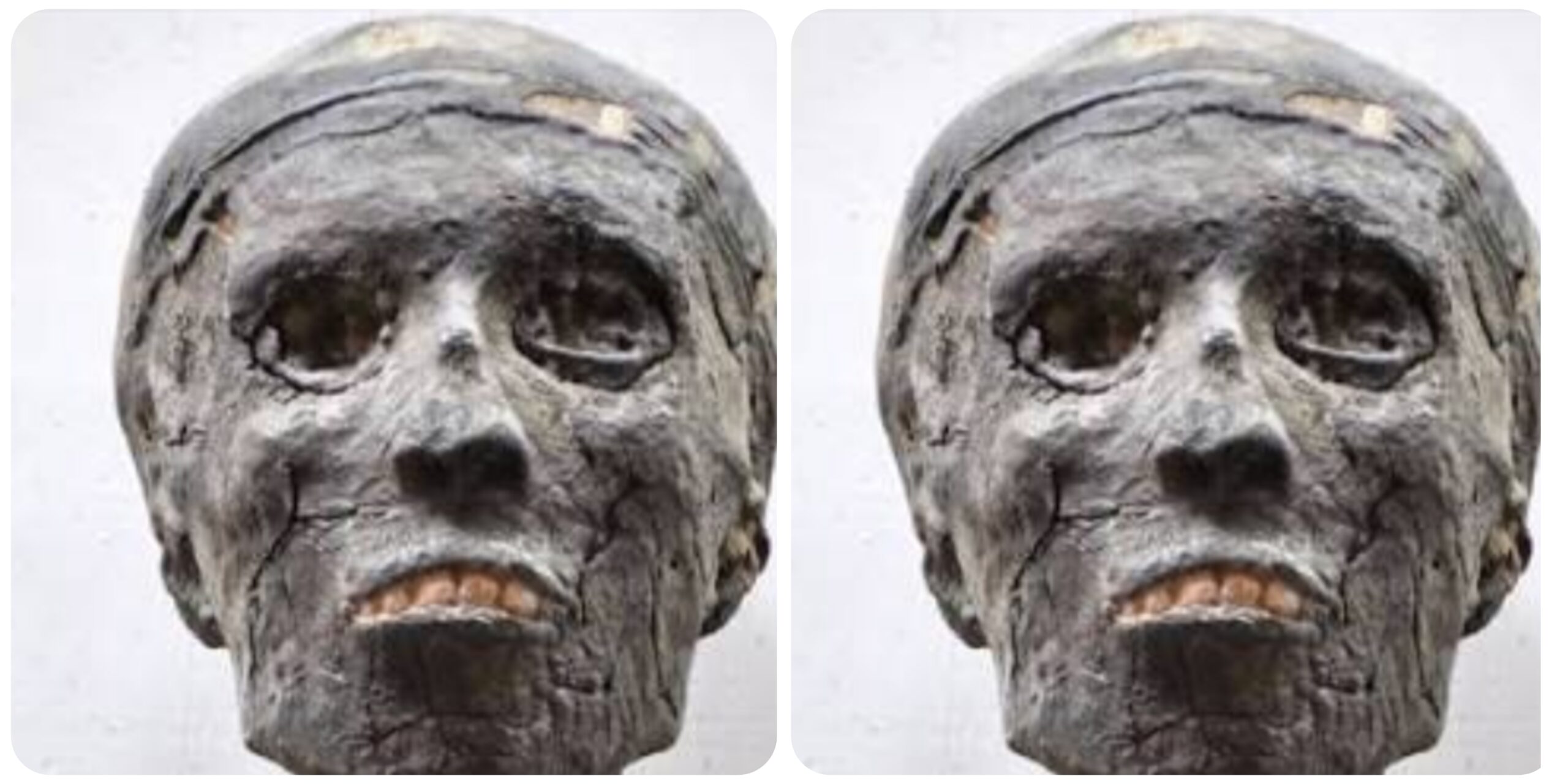
For centuries, the remains of ancient civilizations have been hidden beneath deserts, buried under layers of earth, and protected by time.
Now, advances in technology are allowing scientists and archaeologists to explore these forgotten worlds in ways that were once impossible.
From satellite imaging to ground-penetrating radar and artificial intelligence, researchers are uncovering new evidence about how ancient societies lived, built, and adapted to their environments.
Technology Is Changing Archaeology Forever
Traditional excavations often require years of careful digging, but modern tools are speeding up discoveries. Researchers can now scan large areas without disturbing the ground, revealing possible structures, roads, and settlements hidden below the surface.
AI-powered analysis is also helping scientists examine massive amounts of archaeological data, identifying patterns that may have been missed by the human eye.
Lost Cities and Hidden Structures
Across the world, archaeologists continue to find evidence of ancient settlements that were once thought to be lost forever.
Desert regions in places like Egypt, the Middle East, and Central America have provided some of the most fascinating discoveries. Harsh environments that once protected these sites are now becoming areas of intense scientific exploration.
What Are Scientists Finding?
- Researchers have uncovered:
- Ancient trade routes connecting civilizations
- Long-forgotten settlements
- Burial sites and artifacts
Evidence of advanced engineering techniques
Clues about how ancient people survived extreme environments.
Each discovery adds another piece to the story of humanity’s past.