Biofouling costs the US shipping industry up to $36 billion annually in extra fuel and antifouling paint
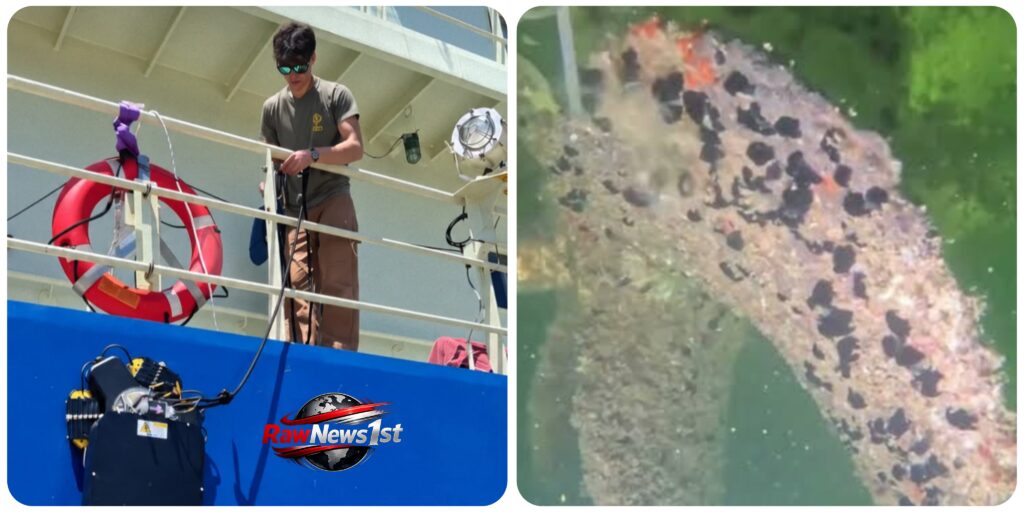
A walking robot that clings to ship hulls using switchable magnets is scrubbing away biofouling, the buildup of algae, barnacles, and invasive species that increases drag and forces ships to burn significantly more fuel.
Developed by Fleet Robotics, the robot walks step by step along the hull by lifting one magnetic foot at a time, navigating turbulent ocean conditions without a tether or Wi-Fi connection.
At about one meter long, it is designed to live permanently aboard ships and perform daily preventive cleaning rather than deep-cleaning in port, an approach the team compares to brushing teeth daily rather than visiting a dentist.
Biofouling costs the US shipping industry up to $36 billion annually in extra fuel and antifouling paint, and also spreads invasive species between ecosystems.
Marine growth creates massive hydrodynamics friction (drag). Even a thin 0.5 mm layer of slime covering just half a hull can jump greenhouse gas emissions by 20–25%. Heavy biofouling can slash fuel efficiency by up to 40%.
The extra resistance slows vessel speeds by 5% to 15%, forcing engines to work significantly harder, which shortens their operational lifespans.
Depending on the severity of the growth, biofouling can drain between $500,000 and $2 million annually per ship in wasted fuel and maintenance.
To combat these costs and comply with tightening regulations like the International Maritime Organization (IMO) biofouling management guidelines, operators utilize a mix of preventative and active technologies.