Digital ID Is Going Mainstream: What It Means for Privacy, Security, and Daily Life
Published by RawNews1st
8:05 am ( 4/25/2026 )
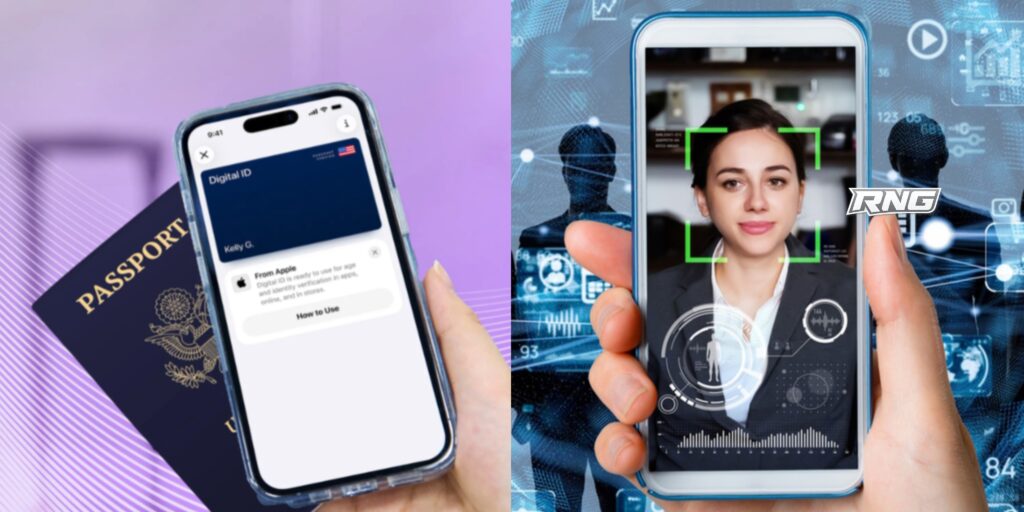
Digital identification (Digital ID) is quickly becoming a central part of how people prove who they are—both online and in the real world. Governments and major tech companies are accelerating adoption, aiming to replace physical documents like driver’s licenses and passports with secure, mobile-based credentials.
In the United States, several states now allow residents to store a digital driver’s license in mobile wallets from companies like Apple and Google. These IDs can be used at select airports, particularly with the Transportation Security Administration (TSA), which is expanding support for mobile identification. Meanwhile, countries in Europe are advancing standardized digital identity systems under frameworks like eIDAS Regulation.
The appeal is convenience and security. Digital IDs use encryption, biometrics (like Face ID or fingerprint scans), and device-based authentication to reduce fraud. Unlike physical IDs, they can limit what information is shared—for example, confirming age without revealing a full birthdate.
However, the rise of Digital ID also raises serious privacy concerns. Advocacy groups warn about centralized databases, potential surveillance, and the risk of data breaches. Regulations such as the General Data Protection Regulation (GDPR) aim to enforce strict data protection standards, but implementation varies across regions.
Another key issue is accessibility. Not everyone has a smartphone or reliable internet access, which could create barriers if Digital ID becomes mandatory. Governments and developers are under pressure to ensure systems remain inclusive and optional.
As Digital ID adoption grows, it’s clear this technology will reshape identity verification worldwide. The balance between convenience, security, and privacy will determine how widely it is trusted—and how quickly it becomes the new normal.