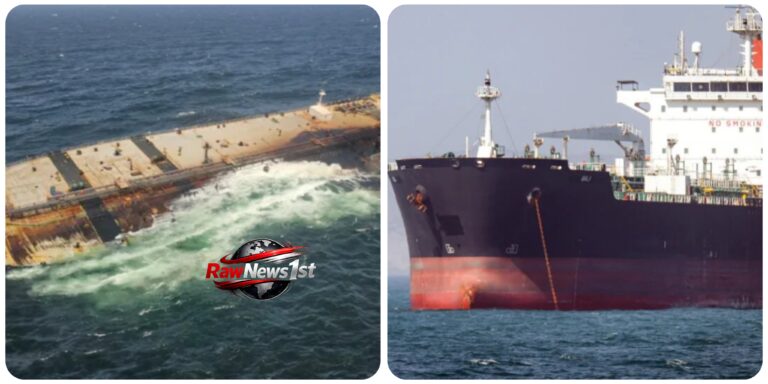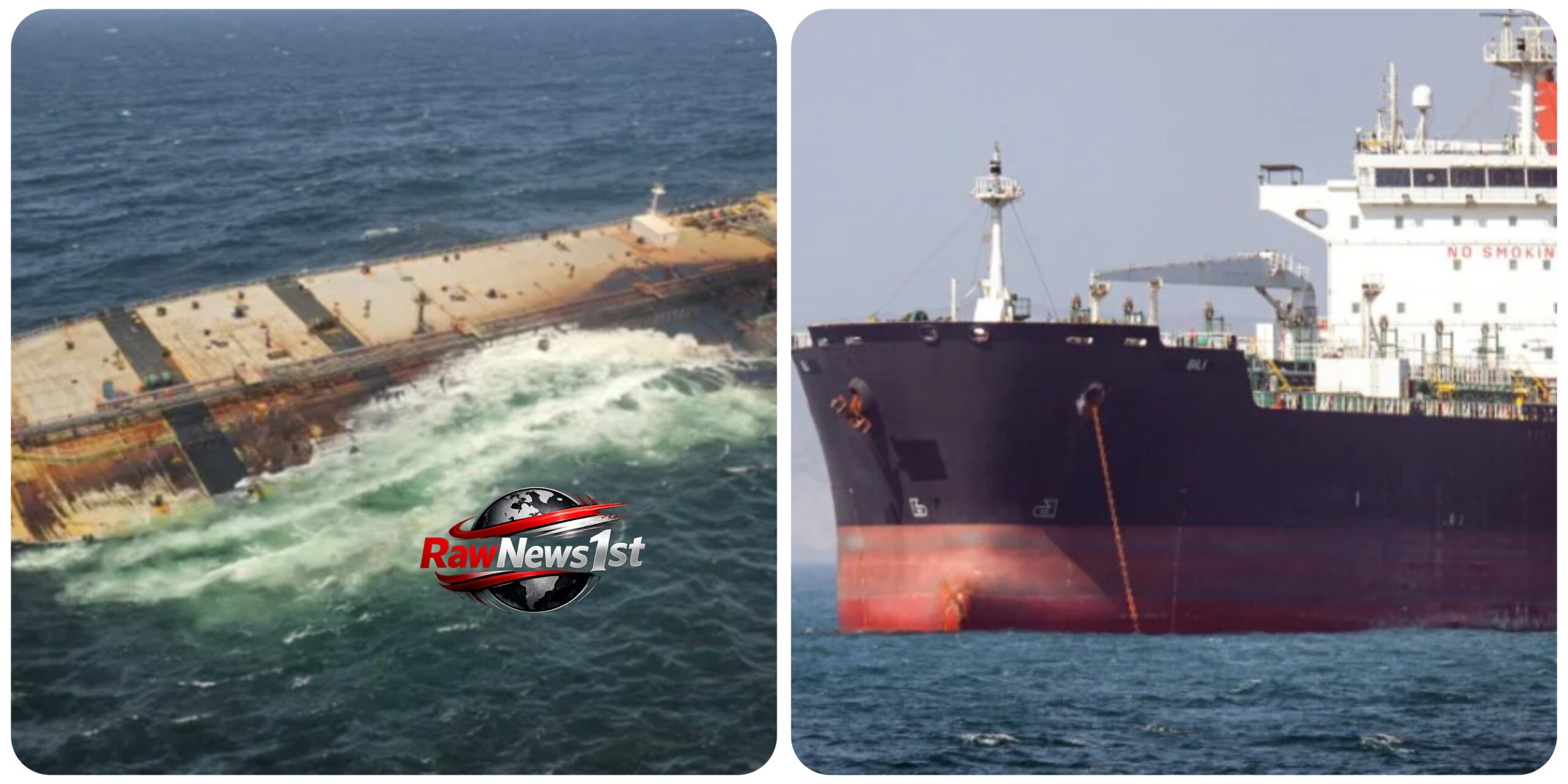
Seven commodity ships sailed along the Strait of Hormuz on Thursday, just half the previous day’s tally, showed data from shiptracker Kpler, amid concern over risk to Middle East shipping as U.S.-Iran peace talks remain in limbo.
Of the total, four ships entered and three exited the waterway, which was used by nearly a fifth of global shipments of crude oil and liquefied natural gas before war began in February.
Sixteen days into the war between Israel, the US and Iran, oil hit $103.90 a barrel, a jump of 43 per cent. Six months on, prices have settled well below that peak, and the reason has less to do with diplomacy than with tankers going dark at sea.
The strikes on February 28 hit thousands of targets inside Iran and killed several senior leaders, tipping the region into war. Soon after, Brent crude prices jumped to over $100 a barrel. It was one of the worst oil shocks the world had seen in decades. Yet despite the fighting dragging on far longer than expected, oil prices have stayed below $100 a barrel in recent months.
With Iranian drones threatening tankers in the Persian Gulf, oil companies from Saudi Arabia, Kuwait, Qatar and the UAE turned to a workaround: chartering tankers, switching off their transponders and moving crude out of the Gulf under US Navy escort, according to a report by CNN. These “dark” voyages pass through the Strait of Hormuz into the Gulf of Oman, where the cargo is transferred to tankers waiting to carry it onward, before the empty vessel heads back through the strait.
Before the war started, the Strait of Hormuz was largely considered a single waterway, without distinctions between “Iranian” or “Omani” routes, and ships entered and exited along well‑established traffic separation schemes, mostly along the central part of the strait.
Decisions on how ships navigated the strait were determined by port calls, charter terms and safety rather than fear of military consequences.
Since the war has spiked tensions between the US and Iran over the Strait of Hormuz, the waterway has been fractured into two main routes. Tehran insists on the northern, Iranian route, hugging Iran’s coast near Larak Island and Qeshm Island, and feeding directly into Iranian ports and offshore terminals.
The other route is the southern, Omani route, closer to Oman and further from Iran’s shoreline. This is the route that Washington insists on, and is the one used by commercial carriers under US Naval protection.
About the Author