Forensic Psychologist Testifies Lindsay Clancy Described Troubling Thoughts as Her Own
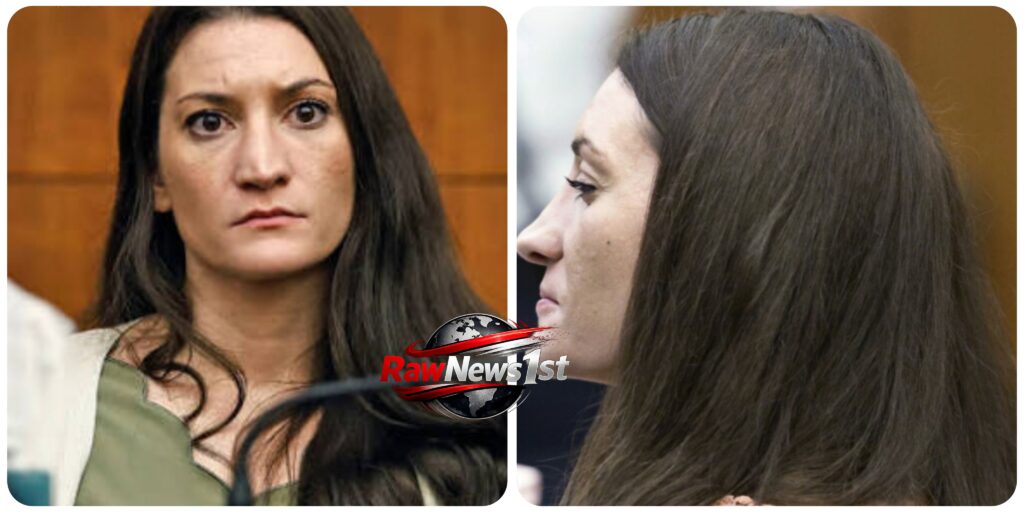
The Lindsay Clancy murder trial entered a fifth week of testimony Monday, Aug. 24 at Plymouth Superior Court. In the afternoon, the prosecution’s questioning of its expert witnesses came to an abrupt end when the defense moved for a mistrial after the witness discussed Catholic dogma.
The prosecution’s expert Dr. Kirk Heilbrun spent a lot of the day discussing his conversations with Lindsay Clancy and his review of her medical records. He explained that he believes she was not suffering from psychosis when she killed her children.
A forensic psychologist testifying in the Lindsay Clancy murder trial reportedly told jurors that Clancy acknowledged some of the disturbing thoughts she experienced felt as though they were coming from her own mind.
The testimony comes as the trial enters its final stages, with experts offering sharply different opinions about Clancy’s mental state at the time she killed her three children in January 2023.
The defense has argued that Clancy was suffering from postpartum psychosis and was experiencing hallucinations and delusions that prevented her from understanding the wrongfulness of her actions. Prosecutors, however, maintain that she was suffering from depression but remained aware of reality and capable of making decisions.
Forensic psychologist Kirk Heilbrun has testified that he reached a different conclusion from defense experts regarding Clancy’s mental condition. His testimony is part of the prosecution’s effort to challenge the claim that Clancy was legally insane when her children died.
The conflicting expert testimony could become critical as jurors prepare to decide whether Clancy should be held criminally responsible for the deaths.
The case has drawn national attention because of the competing explanations surrounding Clancy’s state of mind and the role, if any, that postpartum mental illness played in the tragedy.