Thousands in Sweden replaced them with microchip implants under their skin: 6,000 people
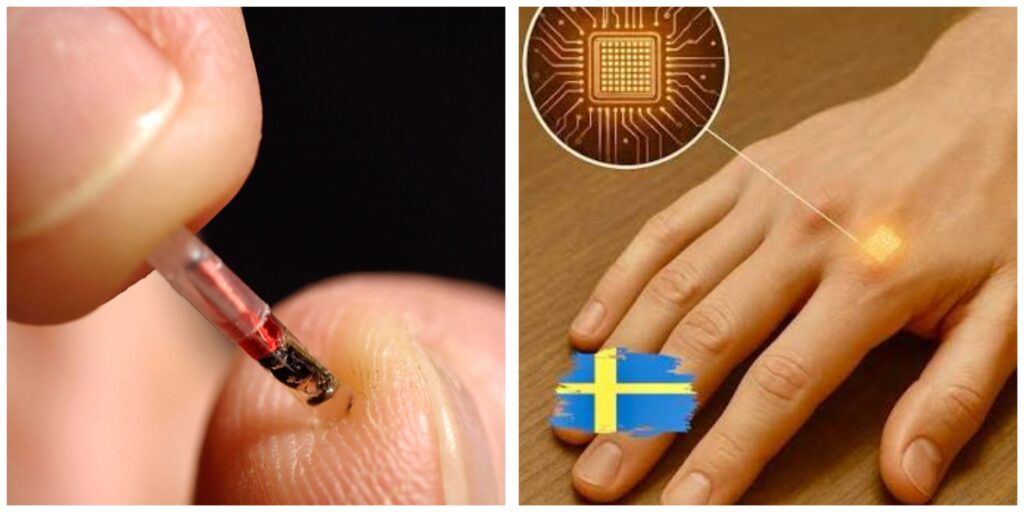
No more keys or ID cards: Thousands in Sweden replaced them with microchip implants under their skin.
In Sweden, thousands of people are opting to have tiny microchips implanted in their hands, turning their bodies into digital keys for everyday tasks.
These rice-sized RFID or NFC chips can store personal data and communicate with devices, allowing users to unlock doors, board public transportation, or even share contact information with just a wave of the hand.
The voluntary movement began around 2015, driven by tech enthusiasts and early adopters, and has since grown into a mainstream trend.
This shift marks a striking step toward human-digital integration, where convenience meets cutting-edge innovation. As chip implants replace traditional ID cards and keys, Swedes are reshaping what it means to interact with technology—directly through their bodies. While the implants raise questions about privacy and data security, they also highlight how seamlessly humans can adapt to futuristic technologies when the benefits are immediate and tangible.