The CIA really did experiment with mind control and psychedelics
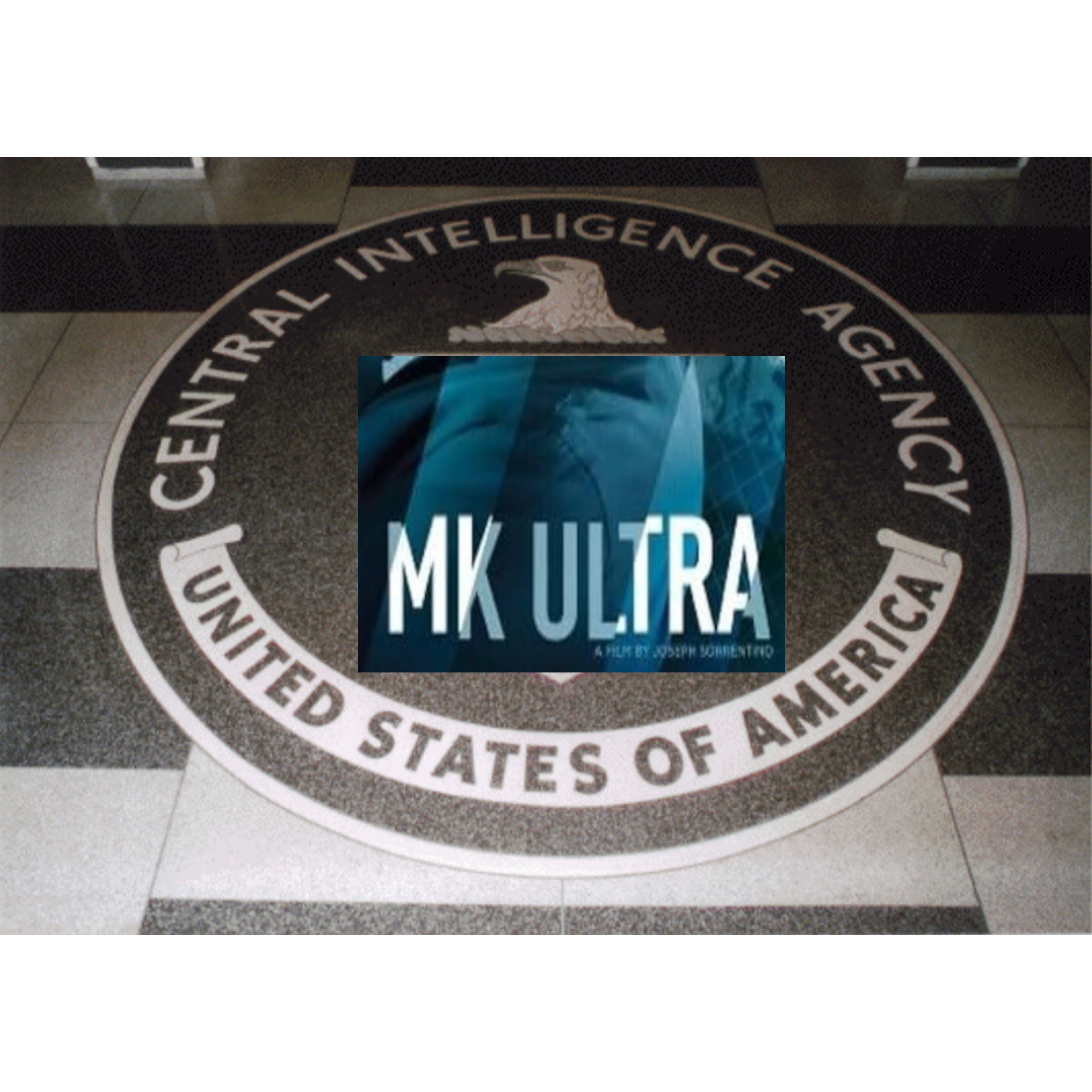
The CIA really did experiment with mind control and psychedelics
The Central Intelligence Agency (CIA) crops up in many a conspiracy theory, but its shady reputation is not entirely undeserved. Papers released in the seventies revealed the secret service really had been dabbling in mind control, psychological torture, radiation, and electric shock therapy in a series of studies into behavioral modification known as “Project MK-ULTRA”.
More than 150 human experiments took place between 1953 and 1964, many of which involved administering drugs to US citizens without their knowledge and consent, and under no medical supervision.
The purpose of this research was to develop techniques and substances to use against the Soviet Union and its allies – think truth serums and Bourne-like super agents.
Then CIA Director Richard Helms ordered the destruction of all records relating to MK-ULTRA in 1973, which means there is little evidence of the intelligence services’ nefarious activities around today. We know the research was responsible for at least one hospitalization and two deaths but the true cost could be much higher.
Politicians and industry leaders purposefully misled the public over the health risks associated with smoking
Smoking increases your risk of stroke, emphysema, infertility, and a whole host of cancers. But back in the day, Big Tobacco tried all it could to persuade consumers that cigarettes weren’t bad for you. It didn’t stop there. They even tried to convince the public that smoking was healthy.
Just take a look at some of the dangerous, not to mention highly sexist, vintage ads from the sixties and earlier.
Tobacco companies were major lobbyists and generous donors to political campaigns. Essentially, they were able to buy favor with politicians and others in positions of power, meanwhile refuting the science behind the health risks, claiming it was uncertain.
It was not until the nineties – at which point, the evidence against smoking was irrefutable – that corporations began to admit there were health risks associated with cigarette smoking.
And in 2006, after a seven-year-long lawsuit, Judge Gladys E. Kessler found the tobacco companies guilty of conspiracy, having “suppressed research…destroyed documents…manipulated the use of nicotine so as to increase and perpetuate addiction”.