Researchers warned that tire pressure monitoring systems in modern vehicles could unintentionally expose driver privacy
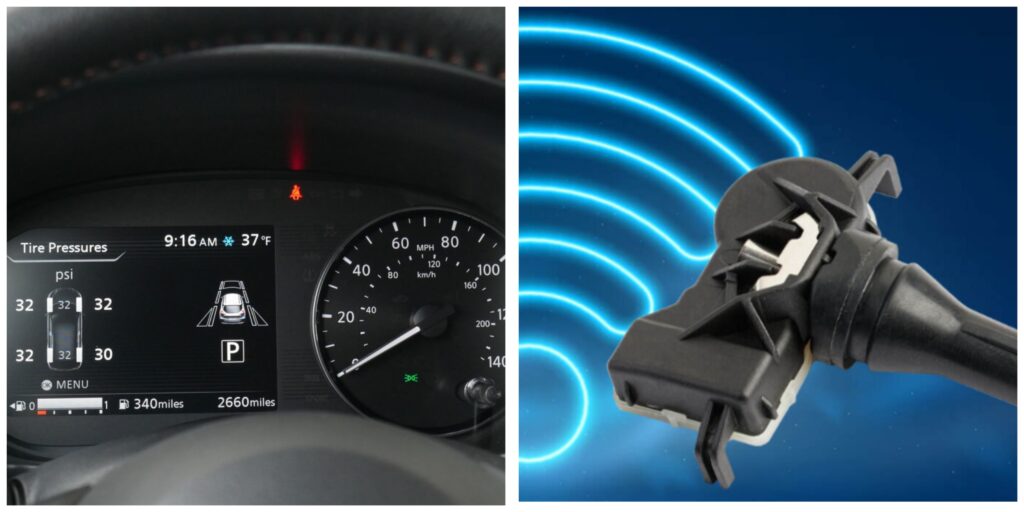
Researchers warned that tire pressure monitoring systems in modern vehicles could unintentionally expose driver privacy.
The issue affects many cars built after 2008, when TPMS became widely required for road safety.
Researchers from IMDEA Networks Institute collected millions of unencrypted TPMS signals from more than 20,000 vehicles during a 10-week study.
Each sensor broadcasts a unique identifier, allowing vehicles to be tracked with inexpensive radio equipment.
Experts said the findings highlight broader concerns about data security in increasingly connected vehicles.
Unlike cameras or license plate readers, which require line of sight, TPMS signals penetrate walls, vehicles, and structures. Anyone equipped with roughly $100 worth of radio hardware can silently identify and re-identify the same vehicle repeatedly, building movement profiles without driver awareness or consent.
What makes TPMS tracking particularly disturbing is its scalability. According to lead researcher Domenico Giustiniano, networks of discreet receivers could monitor vehicle routines across entire cities. By correlating signals from all four tires, researchers successfully improved identification accuracy, allowing them to determine when vehicles arrived home, left for work, or followed predictable daily schedules.
Signals were captured from distances exceeding 50 meters, even when vehicles were moving or parked inside buildings. The study also revealed that transmitted tire pressure data can hint at vehicle class or payload weight, potentially exposing commercial activity or travel behavior. Unlike GPS tracking or telematics systems that drivers knowingly enable, TPMS surveillance operates passively.