Prilosec OTC (omeprazole) linked to ‘cascade’ of life-threatening side effects
Published by RawNews1st
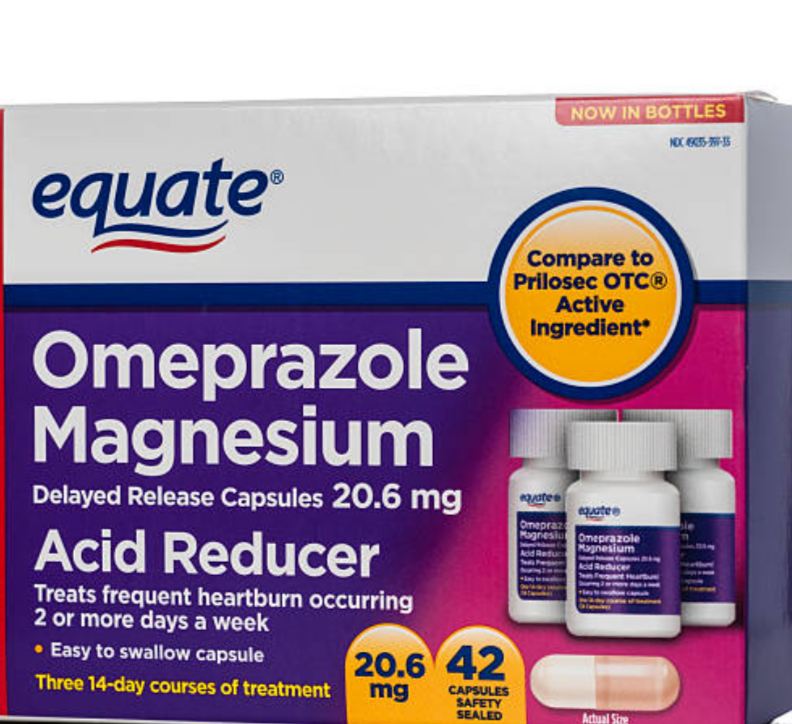
Omeprazole, marketed as Prilosec, is a widely used proton pump inhibitor (PPI) available both over the counter and as a prescription.
It has been trusted for over three decades for reducing stomach acid to treat frequent heartburn, gastroesophageal reflux disease (GERD), stomach ulcers and erosive esophagitis, causing inflammation and damage to the esophagus lining, usually from chronic stomach acid reflux.
PPIs like omeprazole reduce gastric acid, which is also crucial for mineral absorption, but they are intended for short-term use only.
Scientists at the Federal University of São Paulo in Brazil gave rats a standard human-equivalent dose of omeprazole and saw they developed blood markers consistent with early anemia, or iron deficiency, and showed a significant disruption in how their bodies stored essential minerals.
The research revealed a cascade of problems, beginning with plummeting copper levels in the liver, which impairs iron absorption, while iron itself accumulated abnormally in organs rather than circulating for red blood cell production.
At the same time, shifts in where calcium was stored in the rats’ bodies suggested the body was pulling the mineral from bones to maintain blood levels, a process that could weaken skeletal structure over time. These findings offer a potential biological explanation for the increased fracture and anemia risks observed in some long-term human users.