Mosquito-borne chikungunya outbreak in southeast China: CDC warning over 7,000 reported cases
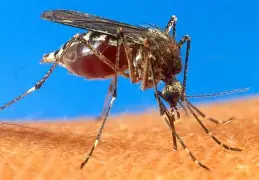
In the southern Chinese city of Foshan, officials are engaged in an all-out battle against chikungunya, a painful, mosquito-borne viral disease that could spread across the country.
Soldiers wearing masks are fogging parks and streets with insecticide. Drones have been deployed to identify mosquito breeding sites. Researchers have introduced giant “elephant mosquitoes,” whose larvae prey on the virus-carrying mosquitoes, and thousands of mosquito-eating fish have been released into city ponds.
Most people infected with the virus develop symptoms that include fever, joint pain, headache, muscle pain, rash and joint swelling, the CDC said Friday in a travel warning. Symptoms usually begin three to seven days after a person has been bitten by an infected mosquito.
The CDC said most people recover in about a week, and there is no treatment. In some cases, severe joint pain can last for several months to years following acute illness.
Newborns and older adults, as well as people with medical conditions such as heart disease and diabetes, are more prone to severe illness. Death from chikungunya is rare, the CDC said.
China held a national conference in July on ways to prevent and treat the virus. Between July 20 and July 26, there were a total of 2,940 new local cases reported in Guangdong Province, China’s National Health Commission said in a July 31 news release. The cases were mild with no reports of severe illness or deaths.
Insect repellents and wearing clothing that covers the skin can help protect people from mosquito bites. Vaccination is recommended for people who are visiting an area with an outbreak, the CDC said. There are two approved vaccines in the United States.
The virus was first detected in Tanzania in 1952, according to the World Health Organization. Since 2004, outbreaks have become more frequent and widespread.
It has been found in Asia, Africa, Europe and North and South America.