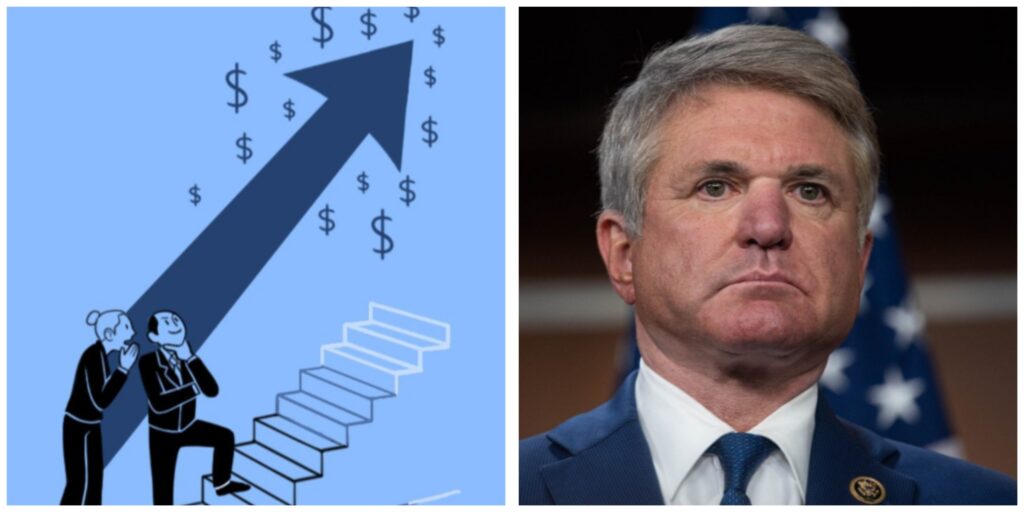
Michael McCaul caught Insider Trading $576 million dollars
Published by RawNews1st
Michael McCaul Faces Scrutiny Over Insider Trading Allegations and Personal Wealth
U.S. Representative Michael McCaul, a powerful Texas Republican and longtime member of Congress, is facing renewed public scrutiny following viral claims and watchdog reports questioning his personal wealth, stock trading activity, and use of congressional disclosures. While no criminal conviction has been issued, the allegations have reignited debate over insider trading in Washington and the lack of accountability for elected officials.
Online reports and political watchdogs allege that McCaul was involved in stock trades totaling as much as $576 million, raising concerns that members of Congress may be benefiting financially from non-public information gained through their official roles. These claims often point to the broader issue of lawmakers trading stocks while serving on key committees with access to sensitive intelligence and national security briefings.
In addition to the trading allegations, McCaul’s reported wealth has drawn attention. Public financial disclosures show that he is among the wealthiest members of Congress, with estimates tied largely to family assets and investments. Critics frequently cite reports claiming McCaul earns tens of millions annually and owns a private jet valued around $20 million, though supporters argue much of his wealth predates or is unrelated to his time in office.
The controversy underscores growing bipartisan frustration over congressional stock trading. Lawmakers from both parties have called for stricter enforcement of the STOCK Act, which was designed to prevent insider trading by members of Congress but is widely viewed as weak and poorly enforced.
Public trust in government continues to erode as voters demand transparency, accountability, and equal application of the law. Whether the allegations against Michael McCaul lead to formal investigations or reforms remains to be seen, but the conversation has once again placed Washington’s financial ethics under an unforgiving spotlight.