Is American Healthcare a $1 Trillion Scam? Elon Musk Sparks a National Debate

Is American Healthcare a $1 Trillion Scam? Elon Musk Sparks a National Debate
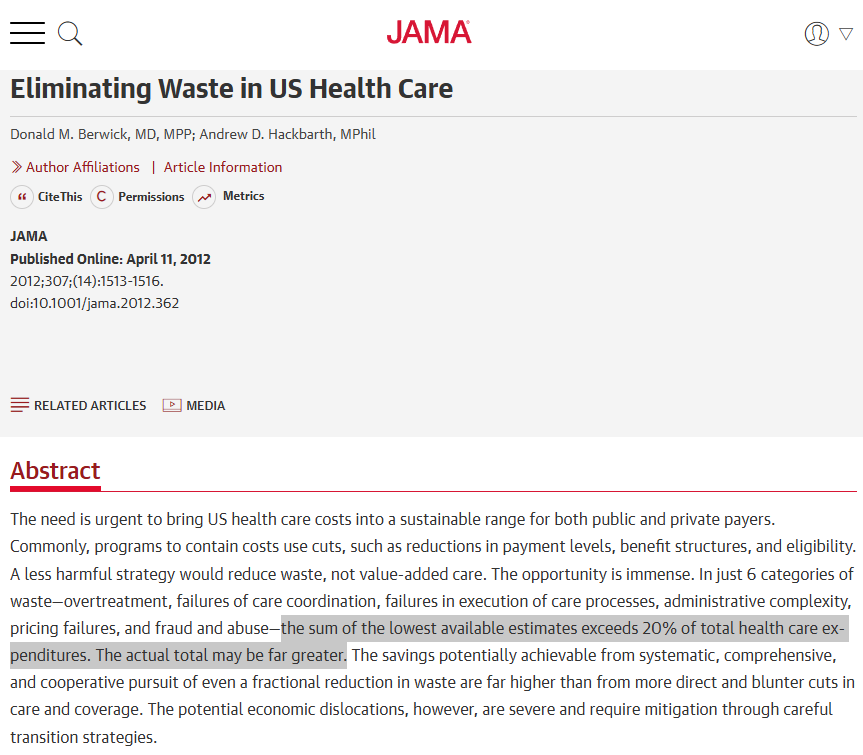
Elon Musk has once again ignited controversy—this time targeting the U.S. healthcare system. According to Musk, America wastes an estimated $1 trillion every year due to fraud, inefficiency, and bureaucratic bloat in healthcare alone. While critics argue the number is exaggerated, many Americans say the claim feels painfully real.
The U.S. spends more on healthcare than any other nation on Earth, yet millions remain uninsured or underinsured. Hospital bills are confusing, insurance approvals are slow, and prices for basic procedures often vary wildly. Musk’s statement cuts to the heart of a growing public belief: the system is not broken by accident—it’s broken by design.
Healthcare fraud is a well-documented issue. From overbilling and unnecessary procedures to administrative waste and insurance manipulation, experts have long warned that massive amounts of money never reach patient care. Instead, it disappears into layers of middlemen, outdated systems, and profit-driven incentives.
What makes Musk’s claim resonate is timing. Americans are exhausted. Prescription prices are rising, emergency visits can mean financial ruin, and medical debt remains one of the leading causes of bankruptcy in the U.S. When someone as influential as Musk calls it a “scam,” people listen—because many feel scammed already.
Whether the true number is $500 billion or $1 trillion, the core issue remains unchanged: the U.S. healthcare system rewards complexity, not outcomes. Transparency is rare, accountability is limited, and reform efforts are often stalled by powerful lobbying interests.
Musk’s comments may be provocative, but they spotlight a reality Americans confront every day. If even a fraction of that alleged waste were eliminated, healthcare could be cheaper, faster, and fairer. The real question isn’t whether the system wastes money—it’s how long the public will tolerate it.