Europe Rolls Out New Biometric Entry-Exit System: The End of Passport Stamps
Europe Rolls Out New Biometric Entry-Exit System: The End of Passport Stamps
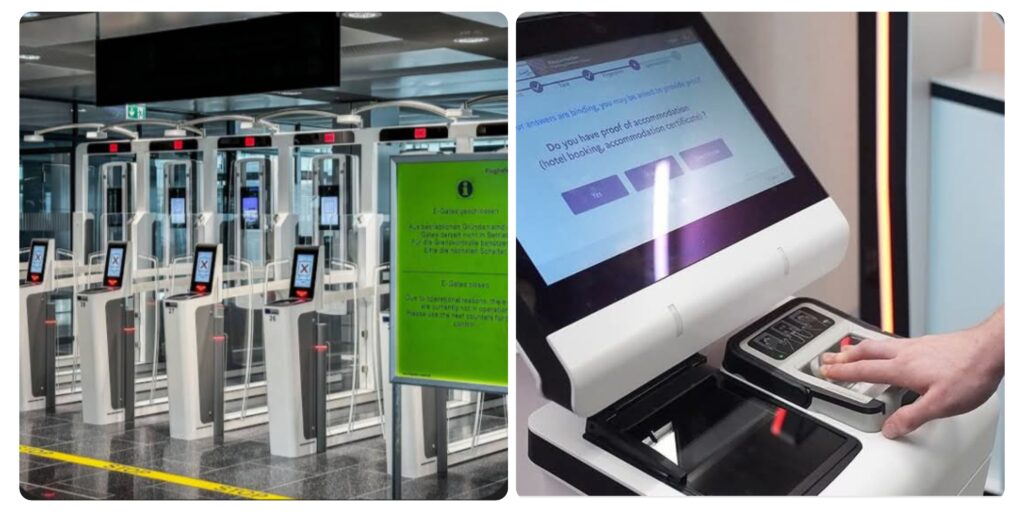
In a major shift toward digital border control, 29 European countries are officially implementing a new biometric entry-exit system (EES) that will replace the traditional passport stamp. This high-tech system is designed to tighten security, speed up travel, and modernize the way non-EU travelers enter and leave Europe’s Schengen Area.
The new system will record fingerprints and facial scans of travelers entering or exiting participating countries. Instead of border agents manually stamping passports, the EES will automatically log the date and place of entry or exit. This digital record aims to reduce fraud, overstays, and identity theft — all while making border checks faster and more reliable.
According to the European Union, the biometric database will help authorities track overstayers and identify potential security threats more effectively. It will also make life easier for frequent travelers by reducing waiting times and simplifying visa checks in the long term.
The 29 countries involved include popular destinations such as France, Spain, Italy, Germany, Greece, and the Netherlands, among others. The rollout is part of the EU’s broader goal to create a safer, more efficient border system using cutting-edge technology.
While many travelers welcome the modernization, some privacy advocates are raising concerns about data protection and potential misuse of biometric information. However, EU officials claim the data will be securely stored and handled according to strict European privacy laws.
As this system expands, passport stamping will gradually become a thing of the past. The biometric entry-exit system marks a new era of travel — one where your face and fingerprints become your passport across Europe.