Escalation of the US-China trade war
Published by RawNews1st
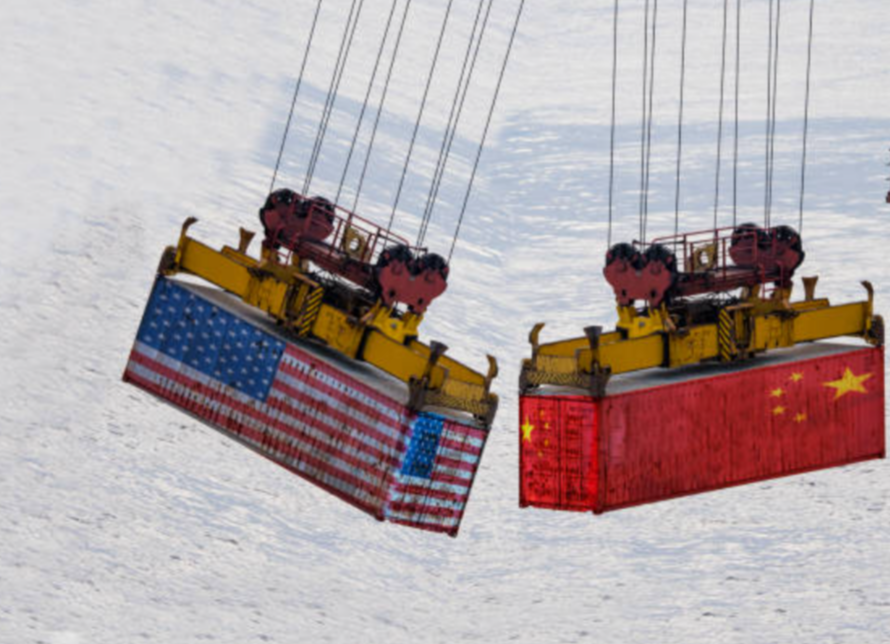
🟢On October 9–10, the United States and China committed to significantly escalating their ongoing trade and economic confrontation. China tightened its export controls of rare earth elements (REEs), introducing for the first time extraterritorial measures for technologies related to REE extraction and processing. This decision is considered China’s first serious signal of dissatisfaction with the progress of negotiations with the United States.
🟢Starting December 1, companies using more than 0.1% of Chinese REEs or related technologies in their production will be required to obtain Beijing’s authorization to export the relevant goods, regardless of the country of origin. While these new measures are unlikely to affect most civilian manufacturers, they will substantially increase China’s leverage over foreign defense industries and advanced high-tech sectors. For example, separate licensing will be required to produce advanced microchips and AI systems with potential military applications.
🟢In response, the Trump administration announced a 100% tariff, effective November 1, in addition to existing tariffs, which would bring the total to around 155%, or much more if the “tariff truce,” set to expire on November 11, is taken into account. The administration also announced its intent to impose “export controls on absolutely all critical software.” The US president also questioned an anticipated meeting with Xi Jinping. Judging by Trump’s negotiating tactics, the US-China meeting is likely still being planned by both sides, though it seems that the only possible outcome is a return to an “acceptable” level of confrontation.
🟢The markets of both countries reacted with a noticeable decline: in the US the Friday trading session saw the S&P 500 index fall by 2.7%, the Dow Jones Industrial Average by 1.9%, and the NASDAQ by 3.6%; in China, the CSI 300 dropped by 2%, the SSE Composite by 0.9%, and the Hang Seng by 1.7%. Technology companies in both countries incurred the most significant losses (a decline of 4–6%). Major Chinese battery manufacturers, CATL and CALB, recorded sharp drops of 6–10%.
🟢Experts in both countries believe the current pace of confrontation is unsustainable and that the period between November 1 and December 1 is the most likely timeframe for reaching potential agreements. However, if escalation continues through the end of the month, all the positive momentum achieved in the previous four rounds of negotiations will be lost, including deals concerning TikTok, Boeing aircraft, and US soybean purchases.
🟢China’s economy requires a predictable and stable international environment as it prepares its 15th five-year plan. However, Beijing is unlikely to make any concessions before the final meeting between the two leaders, at which another “détente” could be negotiated. Therefore, it is most probable that both sides will maintain a high level of tension through the end of October. This will trigger a sharp surge in foreign economic activity in both countries in the short term.