Did HIV vaccine just passed a major clinical trial in humans
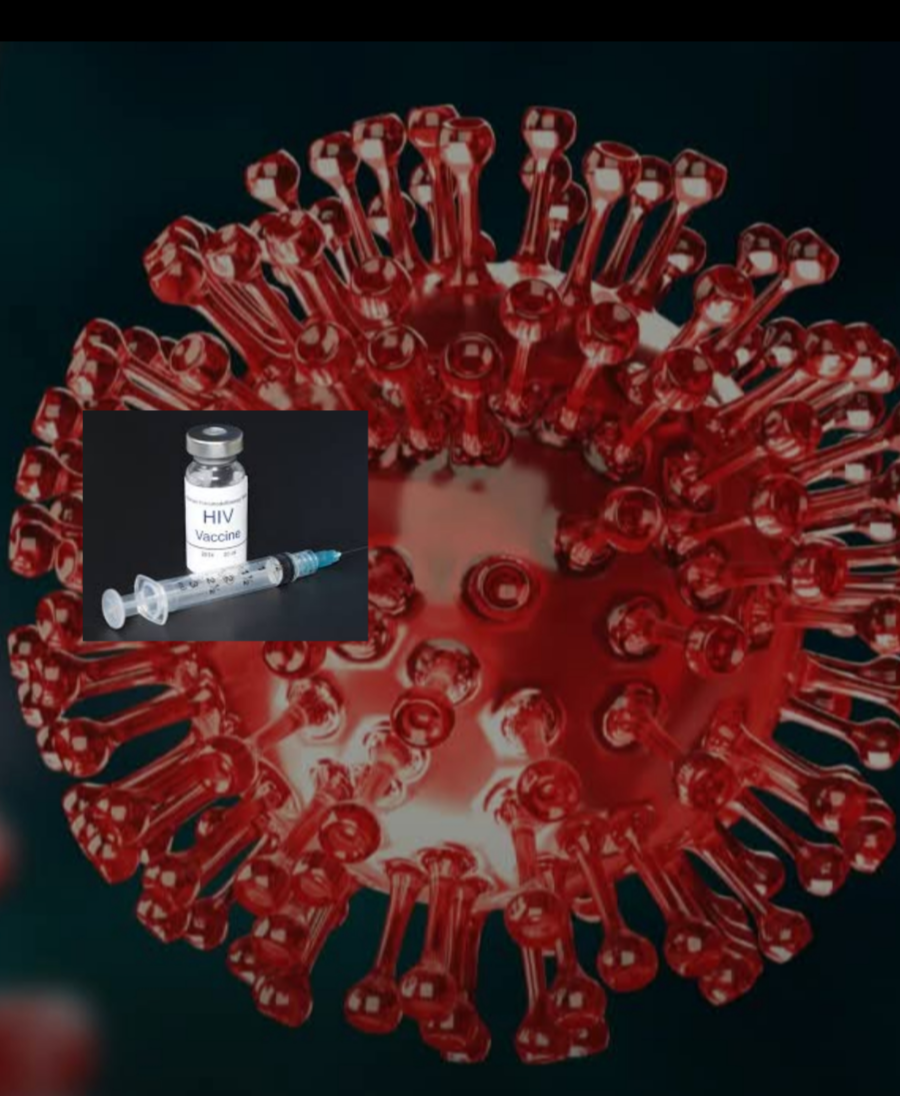
An HIV vaccine just passed a major clinical trial in humans!
Over 80% of participants developed antibodies.
In a major step forward in the search for an HIV vaccine, researchers have shown that an mRNA-based vaccine can successfully trigger the immune system to produce potent antibodies against HIV in humans.
In a phase 1 trial, 80% of participants who received a version of the vaccine with a membrane-bound HIV envelope protein developed “tier 2” neutralizing antibodies—considered a significant benchmark in HIV vaccine development.
These vaccines are modeled after the mRNA technology used in COVID-19 shots but are designed to display the virus’s surface proteins in a more realistic way, potentially guiding the immune system to attack the right viral targets.
The study also found that this approach trained the body to make memory B cells and helper T cells, setting the stage for longer-lasting immunity.
However, the study revealed an unexpected side effect: 6.5% of participants developed chronic hives, prompting long-term follow-up.
Despite this, the results are promising enough to push this new vaccine platform into further trials aimed at generating broader protection.
Unlike previous attempts that mostly failed to produce protective antibodies, this strategy targets hard-to-reach regions of the virus that are more likely to block infection.
The findings could speed up HIV vaccine development, which has long struggled due to the virus’s high mutation rate and elusive nature.
Researchers say the mRNA platform’s speed and flexibility may finally offer a viable way forward in the decades-long effort to end the HIV epidemic.
Parks, K. R., Moodie, Z., Allen, M. A., Yen, C., Furch, B. D., MacPhee, K. J., et al. (2025). Vaccination with mRNA-encoded membrane-anchored HIV envelope trimers elicited tier 2 neutralizing antibodies in a phase 1 clinical trial. Science Translational Medicine, 17(809).