Chinese researchers invent silicon photonic multiplexer chip that uses light instead of electricity for communication
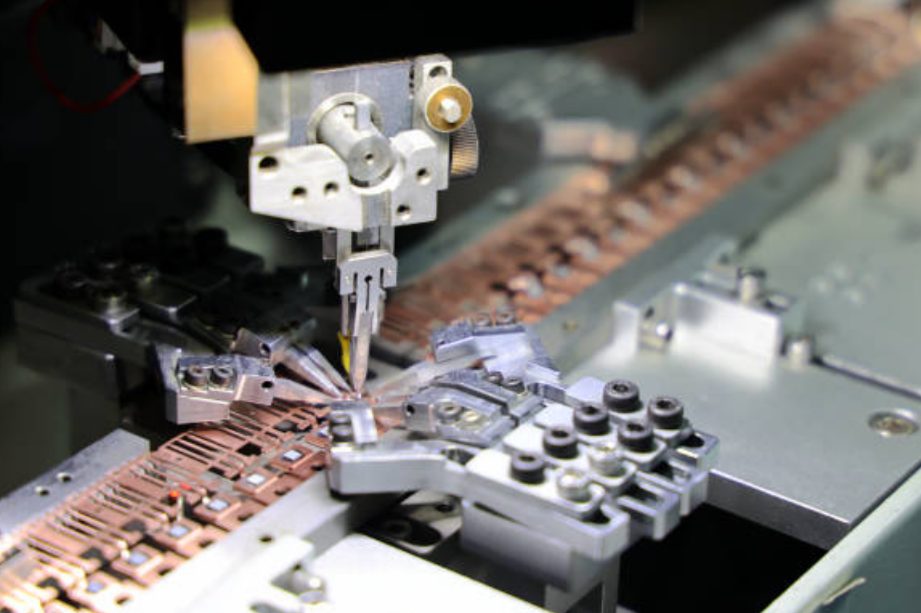
Chinese state-run tabloids report a new silicon photonic microchip coming out of research labs.
The multiplexer is a switch that can receive multiple inputs and send them through a single output, used to select data from, for example, multiple memory chips.
The race to silicon photonics has begun to heat up, with Chinese researchers developing early light-based chips.
The multiplexer is a switch that can receive multiple inputs and send them through a single output, used to select data from, for example, multiple memory chips.
Tests from Fudan University show that its silicon photonic multiplexer supports 38 Tbps, capable of transferring 4.75 trillion LLM parameters per second.
The multiplexer matters because it sends data and instructions via light rather than electrons, making it the newest member of a very young wave of photonics-based chips.
The obvious elephant in the room is the source of this information. Global Times operates under the People’s Daily, the official flagship newspaper of the Chinese Communist Party, and has been accused of spreading fabrications and misinformation in the past.
However, we are reporting on today’s multiplexer news in part because Fudan University has allegedly submitted its findings to Nature, the world’s most respected scientific journal, for review, which would more than likely corroborate the claims if it is printed in Nature.