China buying US farmland is a serious threat across America
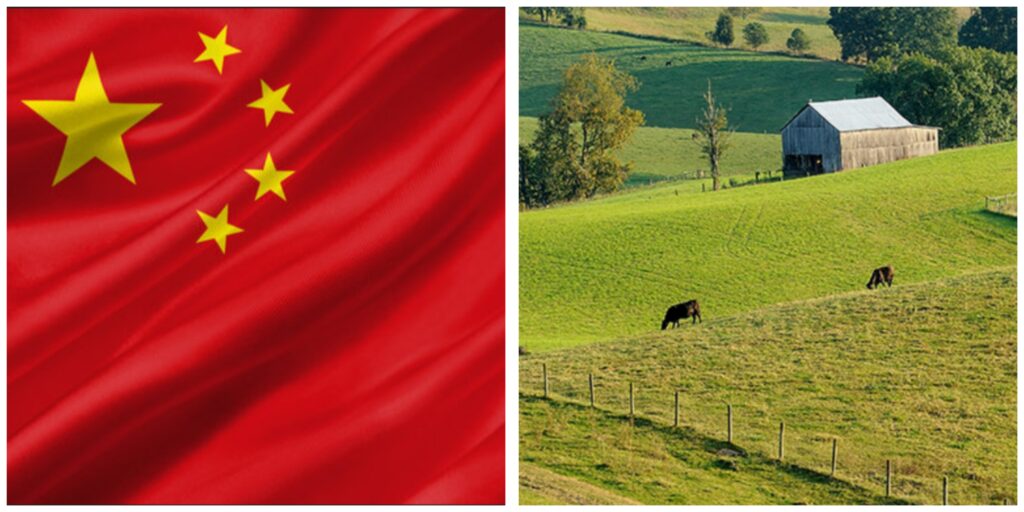
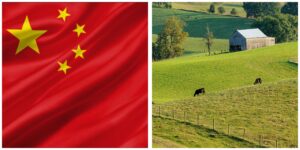
The issue of Chinese ownership of U.S. farmland has become a growing topic in national security and economic discussions across the United States. Lawmakers, security experts, and agricultural leaders are increasingly examining whether foreign control of American farmland could pose risks to food supply chains and critical infrastructure.
According to data from the United States Department of Agriculture, foreign investors owned roughly 40 million acres of U.S. agricultural land as of 2021, representing about 3% of total privately held farmland. China owns only a small portion of that total—estimated at around 350,000 acres—but its purchases have drawn significant attention due to national security concerns.
One of the most widely discussed cases involved the Chinese food company Smithfield Foods, which was purchased in 2013 by WH Group, a China-based conglomerate. The deal included large agricultural assets and sparked debate over foreign control of key food production resources.
Concerns have also emerged when farmland purchases occur near sensitive U.S. military sites. For example, lawmakers raised alarms when a Chinese-linked company proposed building a corn milling facility near Grand Forks Air Force Base in Grand Forks, North Dakota. U.S. officials warned the project could pose potential surveillance risks due to the base’s intelligence operations.
In response, several states have begun introducing legislation to limit or monitor foreign ownership of agricultural land. Federal lawmakers have also proposed stronger reporting requirements and national security reviews.
While Chinese ownership represents only a small share of total U.S. farmland today, experts say the issue highlights broader questions about food security, supply chain control, and foreign investment oversight. As geopolitical tensions continue, the debate over who owns America’s farmland is likely to remain an important policy discussion in Washington and across rural communities.