Avocados cheated death after their Ica Age partners, the giant ground sloths, went extinct 13,000 years ago
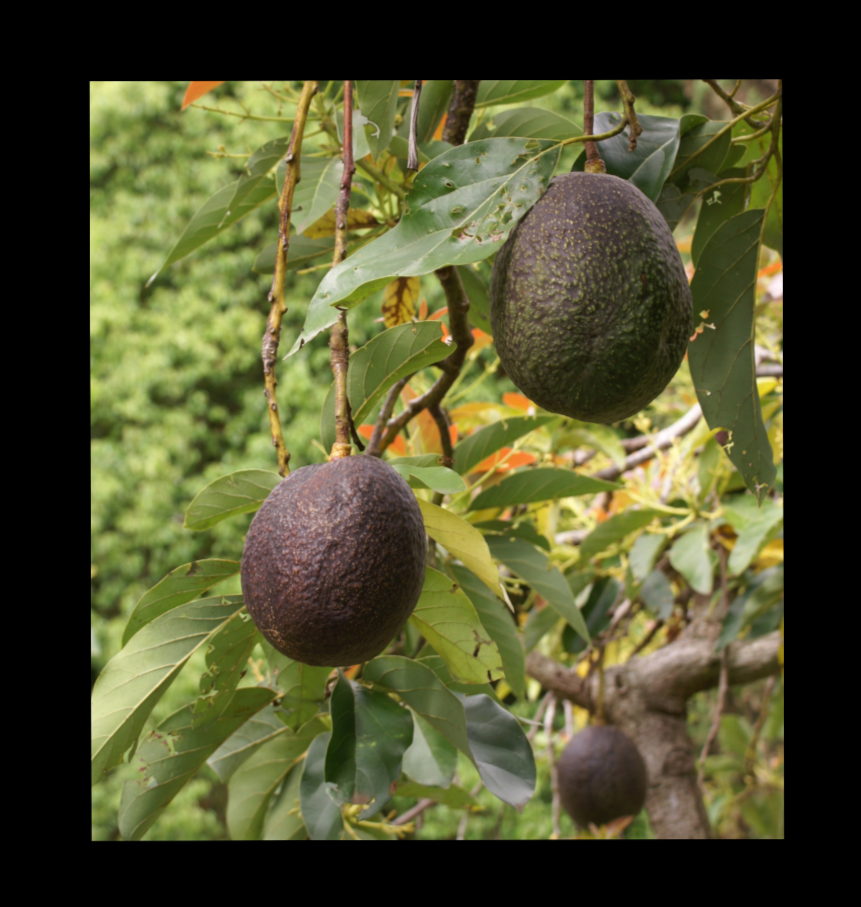
Avocados cheated death after their Ica Age partners, the giant ground sloths, went extinct 13,000 years ago.
Thousands of years ago, the avocado relied on giants. Massive creatures of the Pleistocene epoch, such as the multi-ton giant ground sloth and the elephant-like gomphothere, were the only animals capable of swallowing the fruit’s enormous seed whole. These megafauna served as essential biological couriers, dispersing seeds across the Americas through their digestive tracts. When these giants vanished at the end of the Ice Age, the avocado faced a biological dead end, losing the very partners it had evolved alongside for millions of years.
The avocado’s survival is a rare story of human intervention reversing an ecological death sentence. Roughly 5,000 years after its natural dispersers disappeared, early inhabitants of Mesoamerica began cultivating the trees, selecting for larger fruit and better flavor. This ancient agricultural shift effectively replaced the giant ground sloth with the human hand, ensuring the species’ survival. Today, from the rise of the patented Hass variety in 1935 to its current status as a global superfood, the avocado stands as a living relic of a lost world, thriving only because humans decided it was too delicious to let go.
source: Barlow, C. (2000). The Ghosts of Evolution: Nonsensical Fruit, Missing Partners, and Other Ecological Anachronisms. Basic Books.