Are Pigs Loaded With Parasites? The Truth Behind Pork Safety in 2025
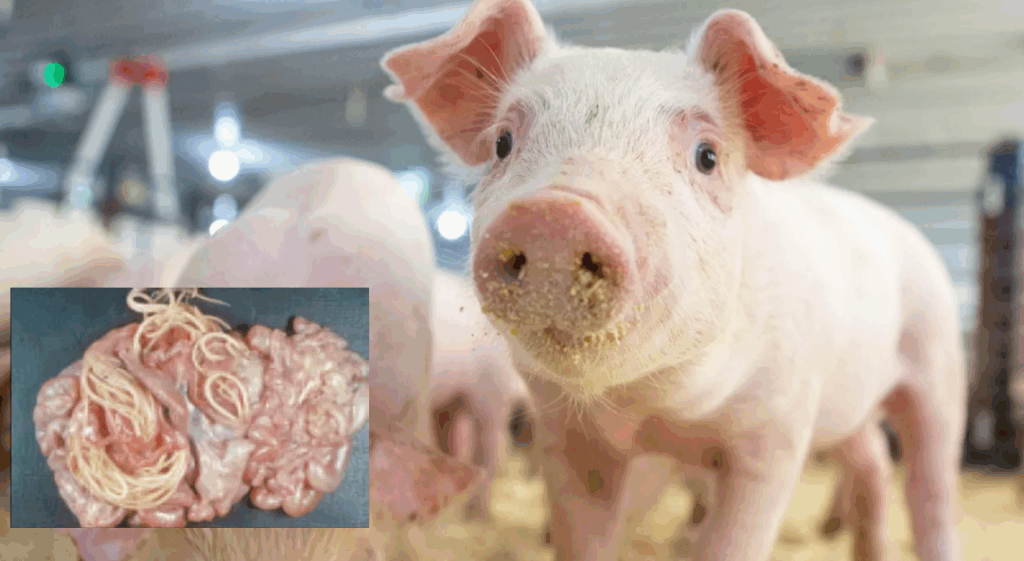
Are Pigs Loaded With Parasites? The Truth Behind Pork Safety in 2025
The idea that pigs are “loaded with parasites” has been around for decades, but how true is it today? As consumers become more focused on food safety and clean eating, understanding where our pork comes from—and how safe it really is—matters more than ever.
In the past, pigs were often linked to parasites like worms and trichinella because they lived outdoors, consumed scraps, and received little veterinary care. Wild pigs, still common in many parts of the world, continue to carry a high level of parasites due to their environment and diet. This is where the old rumors started.
However, modern farm-raised pigs are very different. Today’s pork industry follows strict safety guidelines, routine veterinary checkups, and controlled feeding systems to protect animals and consumers. Most commercial farms use regulated deworming programs and clean, monitored environments that dramatically reduce parasite risks. In fact, cases of trichinosis—a parasite once associated with pork—are now extremely rare in the United States thanks to updated farming practices and modern food safety standards.
For consumers, the most important step is proper cooking. The USDA recommends cooking whole cuts of pork to 145°F and ground pork to 160°F. At these temperatures, parasites and harmful bacteria cannot survive. With proper handling, pork today is one of the safest meats available.
So, are pigs really “loaded with parasites”? Wild pigs, yes. Modern farm pigs, no. The pork on store shelves comes from regulated farms designed to keep animals healthy and meat safe.
By understanding the difference between myth and modern reality, consumers can enjoy pork confidently—knowing today’s farming standards have evolved far beyond outdated rumors.