A rare and historic total solar eclipse is set to occur on August 2, 2027
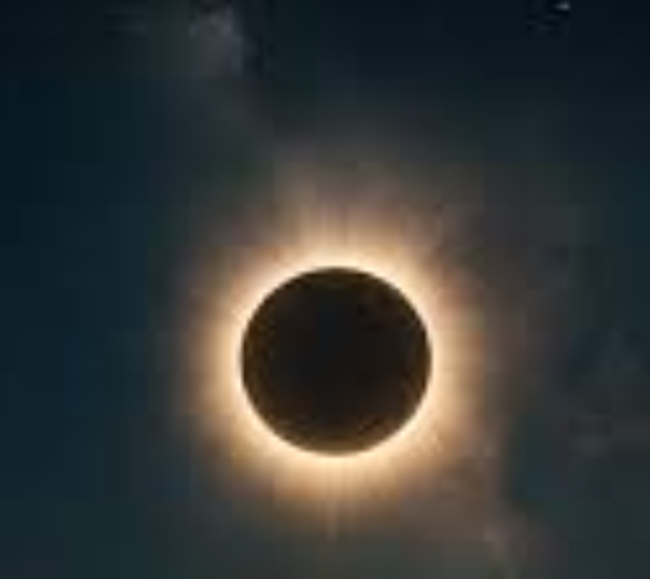
A rare and historic total solar eclipse is set to occur on August 2, 2027, and it’s already being called a once-in-a-century event.
Unlike typical eclipses that last only a few minutes, this one will plunge parts of the world into darkness for up to 6 minutes and 23 seconds—making it the longest eclipse visible from land between 1991 and 2114.
The phenomenon is drawing major attention from scientists, eclipse chasers, and tourists alike.
The eclipse will be visible across a wide path, primarily covering regions in Southern Europe, North Africa, and the Middle East. Countries such as Spain, Morocco, Algeria, Libya, Egypt, Saudi Arabia, and parts of Yemen and Somalia will experience totality.
One of the best viewing spots is Luxor, Egypt, where darkness will last over six minutes. For those outside this path—such as in the U.S.—a partial eclipse may still be visible, especially in eastern Canada.
This extended eclipse is possible because of perfect celestial timing: the Earth will be near its farthest point from the Sun (aphelion), while the Moon will be closest to Earth (perigee).
This allows the Moon to appear large enough to fully block the Sun for an extended period. Experts are urging those in or near the path of totality to prepare early, as tourism and scientific interest will make these areas especially busy.
NASA and astronomers emphasize the importance of using certified eclipse glasses and planning well in advance.
With ideal viewing locations expected to draw massive crowds, early hotel bookings and travel arrangements are advised. For skywatchers, this event offers a golden opportunity that won’t come around again for decades.