$13.9K humanoid robot that can carry a pregnancy, igniting global curiosity and controversy: China
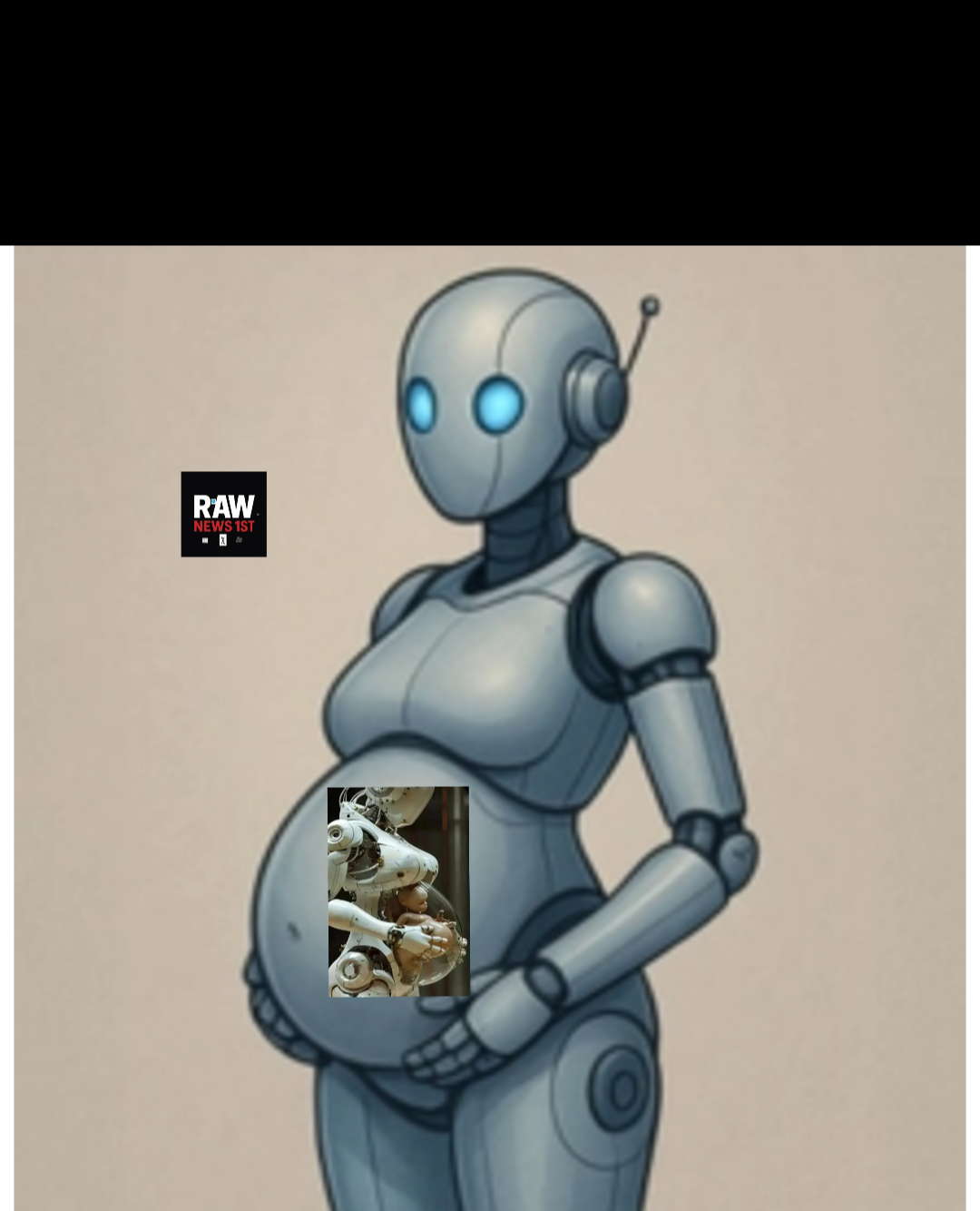
China’s Kaiwa Technology is developing a $13.9K humanoid robot that can carry a pregnancy, igniting global curiosity and controversy.
Slated for debut by 2026 and expected to sell for under 100,000 yuan (around $13,900), the robot aims to offer a pregnancy alternative for those who wish to avoid the burdens of human gestation.
This technology is being explored to address challenges faced by couples experiencing infertility, according to VnExpress International and Chosun Biz.
Some see it as a way to provide alternative avenues to parenthood, potentially offering benefits like reducing medical risks for individuals with health concerns or creating options for LGBTQ+ couples and single parents. There’s also the potential for reducing complications during pregnancy, such as preeclampsia and preterm birth.
According to Qifeng, it is not merely an incubator but a life-sized humanoid equipped with an artificial womb in its abdomen, capable of replicating the entire process from conception to delivery.
Several well-known humanoid robots have unique names. Some examples include Sophia, Atlas, Ameca, Optimus, and Pepper. These names are often chosen to reflect the robot’s capabilities or the company/organization that developed it.
The world’s first “pregnancy robot” is being developed, led by Dr Zhang Qifeng, a scientist from Nanyang Technological University in Singapore, based on reports from Chinese technology media.
This humanoid is different from incubators for premature infants in that it is set to mimic the entire process of pregnancy, starting right from conception to birth. The baby for the entire gestation period will grow and be nurtured in the tech womb of this humanoid.
Zhang also said that it is not a completely new concept and that scientists in the past have successfully cultivated a premature lamb inside a “biobag,” an early concept of the artificial womb. The lamb lived, grew wool, and demonstrated the promise of this technology. Dr. Zhang’s team is taking this tech a step ahead from lambs in bags to humanoid robots that can support life.
The pregnancy robot should have its prototype ready by next year, with the estimated cost being around 100,000 yuan (approximately Rs 12.96 lakh).
Naturally, such an innovation sparks significant ethical and legal issues. Would society welcome babies from robots? Dr Zhang disclosed that talks are already in progress with Guangdong Province authorities, with drafts for policy and legislation being prepared.
Now ask yourself truthfully would you invest into a humanoid robot. It does sound crazy however technically is growing each and every day.
Previously, scientists have successfully kept premature lambs alive for weeks using an artificial womb that looks like a plastic bag.
The ‘biobag’ provided everything the foetus needed to continue growing and maturing, including a nutrient–rich blood supply and a protective sac of amniotic fluid.
After 28 days of being in the bag, the lambs – which otherwise would likely have died – had put on weight and grown wool.
While the biobag acts like an incubator, allowing premature individuals to grow in an environment similar to the womb, scientists hope the pregnancy robot will be able to support the foetus from conception to delivery.
Since the 1970s, feminist activists such as Andrea Dworkin have been strongly opposed to the use of artificial wombs on the grounds that it could lead to the ‘end of women’.
In 2012, Ms Dworkin wrote: ‘Women already have the power to eliminate men and in their collective wisdom have decided to keep them.
‘The real question now is, will men, once the artificial womb is perfected, want to keep women around?’
In 2022 a group of researchers from The Children’s Hospital of Philadelphia – who have been developing artificial wombs – published an article on the ethical considerations of technology.