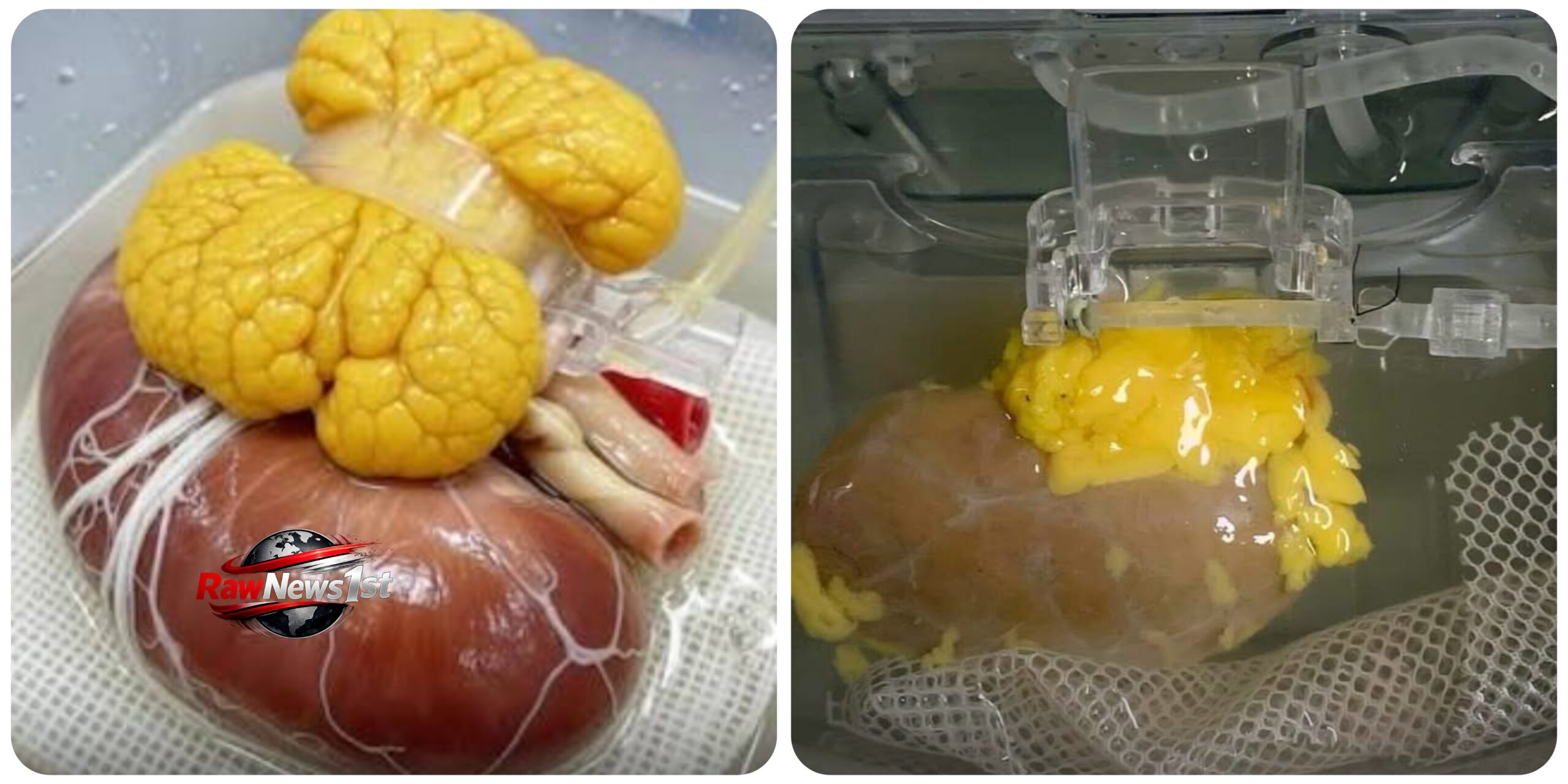
Scientists created the world’s first ‘universal’ kidney, potentially ending organ donor lists.
In a groundbreaking medical trial, researchers from Canada and China have utilized specialized enzymes to strip the blood-type markers from a donated Type A kidney, effectively converting it into a ‘universal’ Type O organ.
The modified kidney was transplanted into a brain-dead patient with family consent, where it functioned successfully for several days.
This experiment marks a historic bridge between laboratory science and clinical care, proving that it is possible to ‘cloak’ an organ’s identity to prevent immediate immune rejection due to blood-type incompatibility.
The implications for the global organ shortage are massive. Currently, 11 people die every day in the U.S. waiting for a kidney, and those with Type O blood often face the longest wait times because they can only receive organs from Type O donors.
While this study noted that blood-type markers began to reappear by the third day, the significantly reduced immune response provides a roadmap for the future. Perfecting this technology could eliminate the need for costly immunosuppression and months of preparation, turning every donated kidney into a potential match for any patient on the waitlist.
About the Author