Mariano Barbacid, the scientist who may have discovered the cure for pancreatic cancer
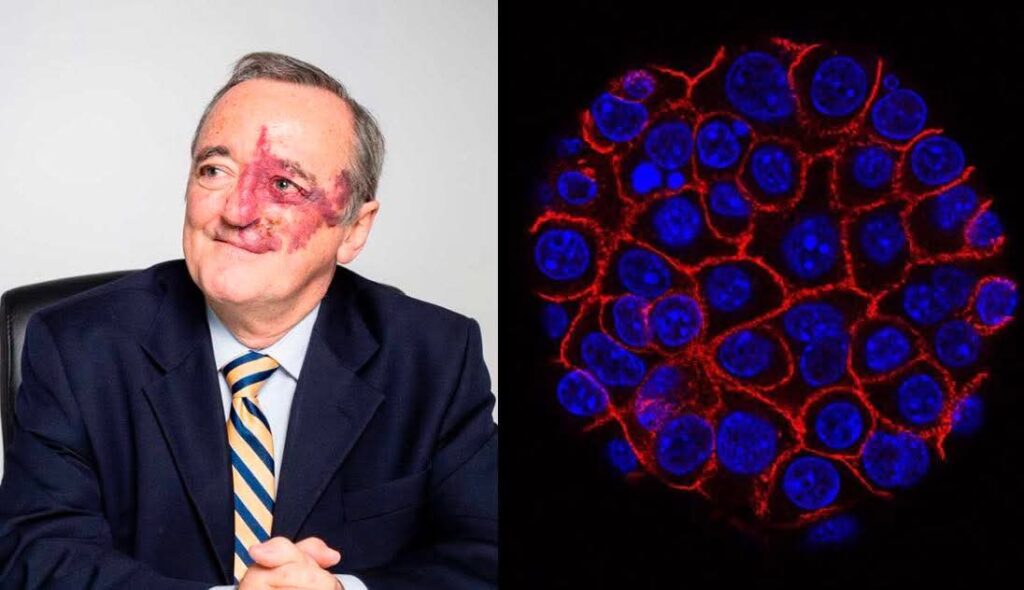
RawNews1st – This is Mariano Barbacid, the scientist who may have discovered the cure for pancreatic cancer
They completely eliminated aggressive pancreatic tumors in mice—no relapse after 200+ days, minimal side effects.
A Spanish research team says it has developed a treatment that completely eliminated the most aggressive form of pancreatic cancer in laboratory mice, raising fresh hopes against one of the deadliest cancers. The study, led by Mariano Barbacid at Spain’s Spanish National Cancer Research Centre, found that a newly designed triple-drug therapy wiped out pancreatic tumours with no relapse seen after treatment. After six years of work, researchers reported that the animals showed minimal side effects and no tumour recurrence, results that mark one of the most promising advances yet in pancreatic cancer research.
Pancreatic cancer, particularly pancreatic ductal adenocarcinoma, is among the deadliest malignancies due to its resistance to treatment, dense tumour microenvironment, and late diagnosis. Standard therapies often fail because tumours rapidly adapt, bypassing single-target drugs.
The CNIO therapy takes a different approach. Instead of attacking one pathway, it combines three drugs to shut down multiple tumour survival mechanisms simultaneously. According to the researchers, this strategy prevents cancer cells from rewiring themselves, a common cause of treatment failure.
Barbacid has previously argued that pancreatic cancer cannot be defeated with a single-drug strategy. This tumour, he has said in earlier research discussions, is extraordinarily adaptable, and only coordinated inhibition of multiple pathways can produce lasting responses.
In controlled laboratory experiments, mice with advanced pancreatic tumours experienced complete tumour elimination after receiving the triple-drug therapy. Even more notable was what happened afterwards. During extended follow-up, researchers observed no tumour regrowth, suggesting that the therapy may suppress the biological mechanisms that typically drive relapse.
The findings were published inProceedings of the National Academy of Sciences (PNAS), where reviewers highlighted both the durability of the response and the unusually low toxicity seen in treated animals, a critical factor for any therapy aimed at human use.