Archaeologists discover a tomb with at least 14 bodies from human sacrifices: Peru’s northern coast
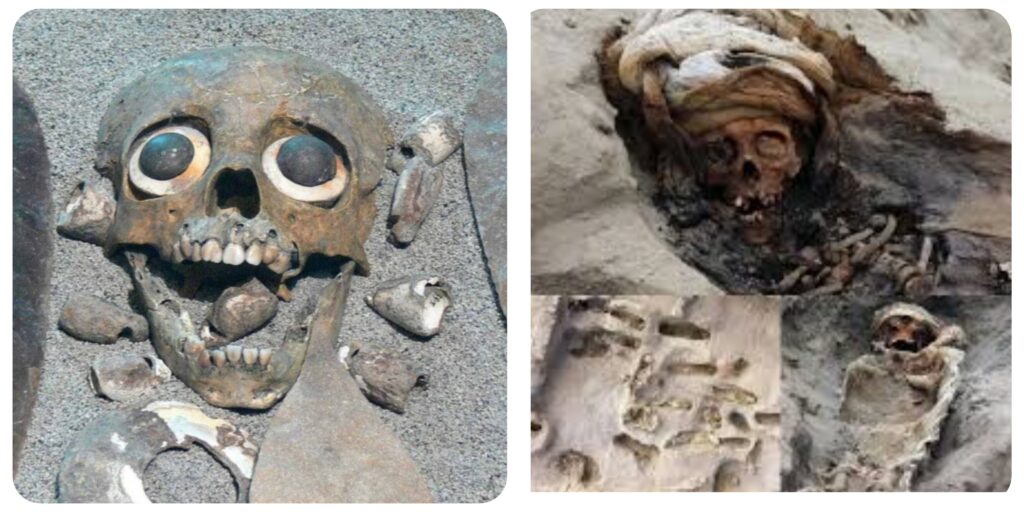
Published by RawNews1st
The remains of ancient bodies, bound and placed face down, were recently recovered in a long-abandoned temple on Peru’s northern coast. The find suggests they were victims of human sacrifice.
Archaeologists uncovered the remains of at least 14 people near the Puémape Temple complex, with evidence pointing to deliberate, ritual killing rather than customary burial.
The Temple of Puémape was built about 3,000 years ago, yet people kept treating the place as sacred in subsequent times.
Fieldwork during 2024 and 2025 was led by Prof. Henry Tantaleán at the National University of San Marcos (UNMSM).
Bound hands, neck ropes, and face-down placement set the sacrifice burials apart from most known mortuary practices on Peru’s coast.
“The way in which they were placed in the tomb is strange,” said Prof. Tantaleán.
Such constrained postures can signal ritual violence, harm done for sacred reasons, but later tests must confirm how the deaths happened.
Skull fractures and other breaks appear on several skeletons, and many cracks look fresh rather than weathered by time.
When bone breaks at death, moisture keeps the material springy, so edges stay sharp and surfaces lack erosion lines.
Those patterns fit execution better than accidental collapse, yet incomplete skeletons can hide soft-tissue injuries that leave no trace.
Archaeologists call buried objects grave goods, items left to honor the dead. In the case of the sacrifice burials, the tomb held none of these objects.
“They were not accompanied by any offering or grave goods, which is also unusual,” said Prof. Tantaleán.
That absence supports the idea of sacrifice, because community members often removed signs of identity when the act itself was the offering.